Showing posts with label Manganhar of Rajasthan. Show all posts

Tuesday, April 26, 2011

Folk Music of Manganhar & Banjaras of Tharparkar & Rajasthan.

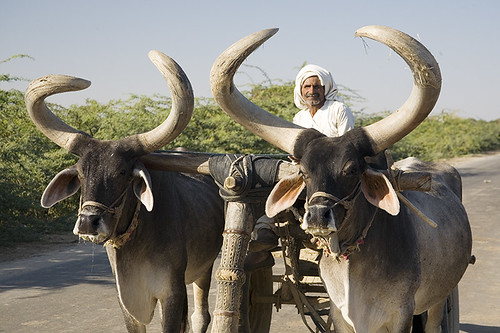
http://www.rajasthanvisit.com/images/Turban.jpgOriginating centuries ago in the Jodhpur and Jaisalmer desert areas of Rajasthan, the Banjaras were bullock transport carriers and builders of great monuments, who ranged throughout the subcontinent negotiating and maintaining expensive contracts to supply goods to important customers as the Moghal armies and the British. For centuries, they efficiently moved their enormous caravans through vast roadless tracts of all India, guarantying safe conduct for grain, salt and messages. Doing so they spread from Kashmir to Tamil Nadu, from Orissa to Gujarat, spilling over into Sind, Pakistan, Iran and further west. Since they wore all their wealth, they were famed for their colorful dress and spectacular jewelry, and known for their lyricism, for song, poetry and dance, and for the maintenance of a unique aesthetic in their embroidery.

http://3.bp.blogspot.com/_U9iti0nqFXk/SsQ0ErUmRVI/AAAAAAAABnA/026hHGiUYzI/S760/banjara+women.jpg
With the advent of the railway and the building of a road system, the Banjaras lost their primary occupation, but retained their tradition of monument buildings. Typical of peripatetic nomads, the Banjaras maintain strong boundaries so that they can interact with surrounding peoples and yet retain their cultural integrity. Such boundaries include the separate villages called tanda where the majority of the Banjaras still live today, situated near large cities where they work as construction laborers, or in remote rural areas where they farm, raise and herd animals. Their religion very different from the mainstream one. Their myths are origin, traditional taboos and social structure. The language they use is known as “ghormati” or “Banjaraboli”, related to Hindi, Rajasthani, Punjabi and Roma of the European gypsies, unintelligible to most outsiders, while learning, the regional languages of every part of India where they have settled. And their distinctive colorful clothing, jewelry and embroidery.  

Banjara performed by Gulzar Manganhaar (Courtesy: Dr Fouzia Saeed)

  URL: http://www.youtube.com/user/alisoftseo

https://blogger.googleusercontent.com/img/b/R29vZ2xl/AVvXsEhx93EzWxfLjahKNBGrwZCWDjPKMThuLzJa1UKpYpzDWwf9E9hklZCEpr7lJwPIKEyYX1HysngDlKGq7wBbCQZviv4t-zTguRLW3L686LQM2Ctnc4xi8JVUwUSiiIZBXAqRD0fmzqVsFOM/s400/KV156-+Family+shot+at+Tharparkar+Sindh..JPG
An endogamous ethnic people, the Banjaras prohibit marriage with outsiders. Among themselves, they are exogamous, marrying only with members of opposite clans, known as gotras. This Hinduized form of exogamy takes its model specifically from the cast system from the Rajputs of Rajasthan. The same gotras are used throughout the subcontinent, allowing Banjaras from distant places to identify themselves to one another by reciting their lineage.


Scentadli lagai re choro (Alghozo) Performed by Tagaram Bheel (Courtesy: Morchang Studio)

URL: http://www.youtube.com/watch?v=Gfi1cHJuyhM

Tere dwar khada ek jogi (Alghozo) Performed by Tagaram Bheel (Courtesy: Morchang Studio)


URL: http://youtu.be/0XewJKYPVn4
http://www.youtube.com/user/morchangstudios

http://farm6.static.flickr.com/5241/5305440468_ffc9587430.jpgTheir religion is animistic and implies a deep respect for natural processes and a close alliance with ambiguities inherent to their life. The Banjaras have a high tolerance for irrationality, for teasing and mischievousness, for ambiguity. These dual aspects or contradictions contribute to the hostility and fear that mainstream people exhibit toward the Banjara…. Nationwide, they trace their origin through a complex lineage to cow-herding God Krishna and his consort Radha. At the same time, they retain allegiance to local and pan. Banjaras heroes, gods, goddesses, pilgrimage sites and rites interlaced with their particular history and pattern of wandering. Banjara deify ancestors and saints are worshipped and revered, their own priests, bhagats, interfacing with ancestors and interpreting omens, dreams, miraculous stories and magic.

https://blogger.googleusercontent.com/img/b/R29vZ2xl/AVvXsEj6ZxsuSwmC82LM520m9GnoJPOTcflJWxq3bCaR3OAOdzFtqsXHFxDUSyrSDYunx-FF1mKCwAJfmqyyC40pjrehk-NbMcHK4kGmdiVxqkBIPsFRCRHdEds03SN492McZ59IvIzIoR71Trc/s1600/Thari+Hindu+female+in+Sindh%252C+Pakistan.jpgSome materially wealthy or some impoverished, the Banjaras appear to feel at ease anywhere, either moving through the country side of Karnataka, or selling their wares on market day in Goa or at home in their tanda throughout the subcontinent. Synonyms for groups and subgroups of the Banjaras, usually having regional and occupational significance, include the following: banjara, banjari, brinjari, gauria, gavadia, laban, labhana, labhani, lamani, lambani, lambadi, sugali, bamania, charan, ghor, marwadi, and many other names…….


Khartal Jugalbandi


Note: The Khartals are a two blocks of wood which are held in the hand of the musician. The pieces of wood are not connected in any way, but when held correctly they can be clapped together at high speeds to make fast complex beats. http://www.youtube.com/watch?v=yIYA6nfsfIQ
Courtesy: Travel video Rajasthan http://www.youtube.com/user/visionrajasthanjpr

Chapar (Khartal - wood clapper), Alghozo and Dillo (Matka)

Jugalband with Khartals and others.


URL: http://youtu.be/86XJk_Ca6Jg
Courtesy: Travel video Rajasthan http://www.youtube.com/user/visionrajasthanjpr

Sindhi Rano performed by Rajasthani Folk Artists


URL: http://youtu.be/-ft8aBIWKK0

Embroidery and Dress

http://wwwdelivery.superstock.com/WI/223/1890/PreviewComp/SuperStock_1890-21873.jpgSignaling their ethnic membership, all Banjaras embroideries are designed for a nomadic life style and, while featuring geometric, floral and animal motifs used by a majority of India’s village peoples, Banjara embroidery design is strikingly different.
For dancing and ordinary ceremonial wear, women use traditional skirts, shawls and backless blouses generally made of commercial textiles, synthetic yarns and locally available mirrors and metal ornaments. The blouses usually are ornamented on the sleeves and fully embroidered with mirrors across the front. Embroidered flaps with metal ornaments are added to the blouses of married women. The shawls have embroidered borders along the top and bottom edges with a wider more elaborate strip of mirror embroidery at the center top that frames the face. The skirts, hanging low on the hips, are worn with the kodi sadak, a long rope of cowries; the waist bands are generally reinforced with sturdy embroidery, worked on a red quilted or twined ground. Particularly fine pieces are made for prospective brides.

Banjara women throughout India wear elaborate twisted and braided hairdos that support and display jewelry and textiles; those styles are typical of Rajasthan. The traditional dress is completed with rows of ivory or bone bracelets, nowadays made of white plastic, worn on the arms, with silver bangles, nose gold ring (bhuria), beads or silver coins necklaces.

Amongst the Banjaras, the single most important ceremonial textile is an embroidery approximately 50 cm. square, of many uses including wedding water pot cover or ritual table cover. It can pre folded to make up different kind of elaborately embroidered dowry bags.

Reference sources:

“Banjara: Adornment of a people of all India.” by Nora Fisher. In “Mud, Mirror and Thread. Folk traditions in rural India” 1993 – 1994.

“Castes and Tribes of Southern India”. By E. Thurston. Government press, Madras 1909 – Volume IV (Lambadi – Pages 207 to 232)

“The Art and Literature of Banjaras – Lambanis” by D.B. Naik – Abhinav Publications 2000.

Courtesy: http://www.suryasgarden.org/History.html

Thursday, July 29, 2010

Sindhi Rano performed by Rajasthani Folk Artists.


The singer above has sung Rano just like Late. Fauir Abdul Ghafoor, that audio was on esnips but no more. Nobody has sung like Faquir Abdul Ghafoor. There was a hint of "PEREN PAWANDI SA CHAWANDI SA RAHI" in between the Kalam. It is a Folk Dance of Rajhastan, India. The singers are "Manganhar of Rajasthan" and singing in Kutchi dialect of Sindhi. Sindhi Folk Dance is quite different.


'Sindhi folktales of Thar', a book written by Dr Kishni Phulwani of Rajasthan, India, and translated from Hindi to Sindhi by Noor Ahmed Jinjhi, is a combination of the colours of the Thar desert, which stretches across the border in both, Pakistan and India. The book has been published by Thardeep Rural Development Programme (TRDP), a non-governmental organisation working for the wellbeing of the desert community, and promoting and preserving the old culture of the politically-neglected region. The book revolves around Manganhars -- the real folktale narrators of the region. The theme was chosen by the author for her PhD from Jodhpur University, India. The Manganhars are common to Sindh and Indian Rajasthan. They narrate folktales to the tune of traditional drums and attract wideaudiences. Dr Phulwani has also touched upon history, geography, languages being spoken in the region, culture, socio-economical conditions and the role of artisan communities. Portraying the scenario, the author almost quoted poetic folktales of several Sindhi poets, especially Sur Marvi by Shah Abdul Latif Bhittai.


Marvi, a symbol of the traditions of the region, was kidnapped by King Omar when she had gone to a well to fetch water. She was brought to a palace, and offered every luxury possible to make her agree to stay there. Marvi, however, spurned all offers by the king and demanded that she be allowed to go back to her parents' makeshift homes. Dr Phulwani recalls the memorable days of her childhood, when her family migrated to India in 1966 from Sindh. Being closely attached with Sufism, her father used to listen to Sufi songs and Bhujans (Hindu religious songs) till late in the night, and would tell stories to his children before sleeping under the starry skies -- on the rooftop of their house. Dr Phulwani obtained her PhD in Sindhi Classical Literature and was very inspired by folk stories. She discusses the similarities among them in her book. Komal Kothari, who has done a lot of work studying the role of the Manganhar community in preserving folktales, has written foreword of the book.

Even after migration to India, Sindhi Hindus continue to organise annual Melas of Sufi saints, whose shrines originally exist in Sindh, Dr Phulwani sayd. She visits these Melas regularly to pay homage to the shrines and to Sufi thought, which inspired her to write her valuable book. The author obtained her Masters degree from Jodhpur University, India, and chose folklore literature as a minor subject. During her study, she went through the contemporary literature of the world. When she showed her desire to continue to work on Rajasthani literature in India and Pakistan, she was advised to meet Komal Kothari, who has done a lot of work to promote Rajasthani music, art and folklore literature and frequently visits both sides (India and Pakistan) to collect information. The author focused on the Dhat region and reviewed literature produced in Dhatki, Marwari, Gujrati, Sindhi and Rajasthani languages. According to her, the area now in India was part of Sindh before the Partition of the subcontinent on August 14, 1947, and the people of these areas from both sides of the border have a very close relationship. The author has raised a question for future researchers regarding the originality of indigenous Sindhi folktales. For instance, the stories of Umar-Marvi, Moomal-Ranoo, Noori-Jam Tamachi, Sassui-Punhoon, Laila-Majnoo, Leela-Chanesar, Sorath-Rai Khanghar, Heer-Ranjho, Sohni-Mehar and Jisman-Oden were sung by poets of the past in similar tones. This question raised by the author may inspire other researchers to clarify the originality of these folktales for future generations. REFERENCE: Music in the dunes of Thar By Jan Khaskheli http://www.jang.com.pk/thenews/aug2009-weekly/nos-23-08-2009/kol.htm#3

سُر مومل راڻو

داستان پهريون
1


ڪالَھه گَڏِيوسُون ڪاپَڙي، بابُو بيکاري؛
سامِئَ سيلو سِرَ تي، مالا موچارِي؛
ڏيئِي ڏيکارِي، ڦَٽي دِلِ فَقِيرُ وِيو.
2
ڪالَھه گَڏِيوسُون ڪاپَڙِي، جَهِڙو ماهُ مُنِيرُ؛
فَيضُ، فِراقُ فَقِيرُ، جوڳِي جاڳائي وِيو.
3


ڪالَھه گَڏِيوسُون ڪاپَڙِي، پَهَرَ سِجَ کان پوءِ؛
پَسو سُونهَن ساميءَ جي، رَتَ وَرنو روءِ؛
جو مُنهِن مُومَلَ جي پوءِ، موٽَڻُ تَنهِن مَسَ ٿِئي.
4


ڪالَھه گَڏِيوسُون ڪاپَڙِي، بابُو بانَ بَرِي؛
سائِي سالَ ڪُلَهنِ ۾، سامِي سونَ سَرِي؛
خَبَرَ ڏي کرِي، ڪا مُومَلَ جي مَجازَ جي.
5


بيکارِيءَ کي بَرَ ۾، وِيو ڪَيفُ چَڙهِي؛
ڳالِهيُون ڪَندي ڪاڪِ جُون، ڳوڙها پِيَسِ ڳَڙِي؛
ڪا جا اَنگُ اَڙِي، جِئَن ڇُٽا ڦَٽَ ڇُڙِي پِيا.
6


سِجُّ سُڀاڻي جا ڪَري، سامِيءَ سائِي رُوءِ؛
اَچي ٿِي عَطُرَ جي، مَنجھان مُگَٽ‎َ بُوءِ؛
سا ڏيکارِيَهُون جُوءِ، جِئان لاهُوتِي لَعلُ ٿيو.
7


جوڳِيءَ تي جَڙاءُ، نِسوروئِي نِينهَن جو؛
پَتَنگَ جِئَن پيدا ٿِيو، سامِي سِجَّ وَڙاءُ؛
آيو ڪاڪِ تَڙاءُ، ڪُنوارِنِ ڪَڪورِيو.

داستان ٻيو
1


آءُ لانگوٽِيا لالَ! ڪَنهِن پَرِ ڏِٺِيُءِ گُجَرِيُون؛
آبُ اَرتو اکِيين، لُڙڪَ وَهائِيين لال؛
ڏِٺَءِ جي جَمالَ، سامِي! ڪُہُ نه سَلائِيين؟
2
گُجَرِ کي گَجميلَ جُون، تارَنِ ۾ تَبَرُون؛
هڻي حاڪِمِيَنِ کي، زورَ ڀَريُون زَبَرُون؛
ڪاڪِ ڪَنڌِيءَ قَبَرُون، پسو پَرَڏيهِيُنِ جُون.
3


گُجَرِ گاروڙِيُنِ، اَچيو اَڏِي اُڀِيي؛
مَٿان پيئِي تِنِ، ٻَڌا ٻاڻَ هَڻَنِ جي.
4


مُومَلَ ماري مِيرَ، آهيڙِيُنِ کي آڪَري؛
سوڍِيءَ گھڻا سَڪائِيا، پَڙهِيا پَڻِتَ پِيرَ؛
هَڻي تِنِ کي تِيرَ، مَڻِيو جن مَٿَنِ ۾.
5


جوڳِيءَ جاڳائي، ماري وِڌو مامِري؛
لَنؤ لُڊُوڻي ڪَنڌِيـين، اَمَيو آهي؛
وَڃو جي ڪاهي، ته نِڪُون پَسو نِينهَن جُون.
6


هَلو، هَلو! ڪاڪِ تَڙين، جتي نِينهَن اُڇَلَ؛
نه ڪا جَھلَ نه پَلَ، سَڀُڪو پَسي پِرِينءَ کي.
7


هَلو، هَلو! ڪاڪِ تَڙين، جتي گَھڙِجي نِينهُن؛
نه ڪا راتِ نه ڏِينهُن، سڀڪو پَسي پِرِينءَ کي.
8


هَلو، هَلو! ڪاڪِ تَڙين، چَرُو جِتِ چَڙَهنِ؛
ڪوڙين رَنگَ رَچَنِ، پانوڙِيءَ پِڪَ سين.
9


آکُون، ڊاکُون، سِرَکَنڊَ شاخُون، جِتِ چَوکا چَندَنَ ڪَؤنرَ؛
مَيي سيئِي ماڻِيا، جِتِ نه ڀِرَنِ ڀَؤنرَ؛
ڪُنوارِيُون ۽ ڪَؤنرَ، ڪاهِ ته پَسُون ڪاڪِ جا.
10


چَڙهِيا چارَئِي يارَ، سُوڌا شِڪارِي؛
فِڪِرَ ساڻُ ڦِٽِي ڪِي، سوڍي سوپارِي؛
وِيا ڪاهِيندا ڪاڪِ ڏي، جِتِ مُومَلِ موچارِي؛
موٽِيا نه مارِي، ڪَؤنرَ لَتاڙي ڪاڪِ جا.

داستان ٽيون
1


جَهِڙا گُلَ گُلابَ جا، تَهِڙا مَٿِنِ ويسَ؛
چوٽا تيلَ چَنبيلِيا، هاها! هُو! هَميشَ؛
پَسيو سُونهَن سَيَّدُ چئي، نِينهَن اچَنِ نيشَ؛
لالَنَ جي لِبيسَ، آتَڻِ اَکَرُ نه اُڄَهي.
2


جَهِڙا پانَنِ پَنَّ، تَهِڙِيون سالُون مَٿِنِ سائِيون؛
عَطُرَ ۽ عَبِيرَ سين، تازا ڪَيائُون تَنَّ؛
مَڙهيا گَھڻو مُشڪَ سين، چوٽا ساڻُ چَندَنَّ؛
سُنهَنِ رُپي سونَ سين، سَندا ڪامَڻِ ڪَنَّ؛
ڪَيائِين لال لَطِيفُ چئي، وڏا ويسَ وَرَنَّ؛
مَنجِھ مَرڪِيَسِ مَنَّ: ”سوڍي سين سَڱُ ٿِيو.“
3


سونَ وَرنِيُون سوڍِيُون، رُپي رانديُون ڪَنِّ؛
اَگَـرَ اوطاقُنِ ۾، کَٿُوريون کَٽُنِّ؛
اوتِيائُون عَبِيرَ جا، مٿي طاقَ تَڙَنِّ؛
ٻاٽَنِ ٻيلون ٻَڌِيون، پَسِيو سُونهَن سَڙَنِّ؛
ٿِيا لاهُوتي لَطِيفُ چئي، پَسَڻَ لَءِ پِريَنِّ؛
اِجهي ٿا اچَنِّ، ڪاڪِ ڪَڪوريِا ڪاپَڙِي.
4


گُجَرِ گَھڻا گھائِيا، پاڻا لَڳُسِ گھاءُ؛
مينڌَري مُلاءُ، لڳَسِ ڪانُ ڪَپارَ ۾.
5


رُوءِ راڻي جي ناهِ ڪو، سوڍو سَڀِنِ سُونهَن؛
لاٿَائِين لَطِيفُ چئي، مٿان دِلِيُنِ دُونهَن؛
ڪانهي ٻِي وِرُونهَن، ٿِيو مِڙوئِي مينڌِرو.
6


ڪاڪِ نه جَهـلِيا ڪاپَڙِي، موهِيا نه مَحلَنِّ؛
ٻايُنِ ۽ ٻانِهِيُنِ جي، ٻَنڌَڻِ ڪِينَ ٻَجَھنِّ؛
لکين لاهُوتِينِ، اَهِڙِيُون اورِيان ڇَڏِيُون.
7


ڪاڪِ نه جَھـلِيا ڪاپَڙِي، موهِيا ڪَنهِن نه مالَ؛
سوڍِيُون سِجھائي وِيا، هَهِڙا جَنِين حالَ؛
جي ڇورِيُنِ ڏِنا ڇالَ، تَپِ لاهُوتِي لَنگھي وِيا.

داستان چوٿون
1


شَمَعَ ٻاريندي شَبَّ، پِرِهَ باکُون ڪَڍِيُون؛
موٽُ، مَران ٿِي مينڌِرا! راڻا! ڪارڻِ رَبَّ؛
تُنهِنجِيءَ تاتِ طَلَبَّ، ڪانگَ اُڏايَمِ ڪاڪِ جا.
2


اُڀي اُڀارِيامِ، نَکَٽَ سَڀِ نَـئِي وِيا؛
هِڪُ مَيو، ٻِيو مينڌِرو، سَڄِي راتِ سارِيامِ؛
ڳوڙها ڳَلِ ڳاڙِيامِ، سُورَجَ شاخُون ڪَڍِيُون.
3


ڪَتنِ ڪَرَ موڙِيا، ٽيڙُو اُڀا ٽيئِي؛
راڻو راتِ نه آئِيو، ويلَ ٽَري ويئِي؛
کوءِ سا کاڻِي راتِڙِي! پِريُن ري پيئِي؛
مُون کي ڏَنءُ ڏيئِي، وڃِي ڍولو ڍَٽِ قَرارِيو.
4


راڻو ڪا راتِ ويو، ڳُجِھي ڳالھه ڪَري؛
سوڍي رِءَ، سَرتيُون! هَڏ نه ساهَ سَري؛
وَڃِي، مانَ وَري! آسائِتِي آهِيان.
5


سوڍي سُتي لوءِ، ڪا جا مون سين ڳالھ ڪَئِي؛
سا جي پَڌَرِ پوءِ، ته سَرتِيوُن ڪانه سُمِهي.
6


راڻا! تُنهِنجي راهَ تي، ڏيهاڻِي ڏيکان؛
راڻي جِيءَ رِهاڻِ جُون، رُوحَ اندَرِ ريکان؛
مُحَبَتَ جُون ميکان، تو سين، لالَ! لَپيٽِـيُون.
7


آءُ، راڻا راحَتَ! ڌاڃَ ڌَرتِيءَ جا ڌَڻِي!
سِڪَنِ ٿِيُون سُهاڳِڻـيُون، سوڍا تُنهِنجي سَٿَ؛
مون تان لاهِ مَ هَٿَ، ڪامِلَ ڌڻِي ڪاڪِ جا!

داستان پنجون
1


سَڱُ ڪري سين سِينهَنِ، ڪَنڌُ مَ ڦيرِجِ ڪيڏَهِين؛
رَمِج راڻي پُٺِ ۾، نِرتُون مَنجھان نِينهَن؛
اِنءَ مَ وَسجِ عامَ تي، جِئَن مُومَلَ! وَسَنِ مِينهَن؛
سندي حَشَرَ ڏينهَن، سوڍو سارِيندِينءَ گَھڻو.
2


جا ڀُون پـيرين مُون، سا ڀُون مٿي سَڄڻين؛
ڌِڱَ لَٽِبا ڌُوڙِ ۾، اُڀي ڏِٺا سُون؛
ڏِينهَن مَڙيئِي ڏُون، اُٿي لوچِ لَطِيفُ چئي.
3


راڻو ڀانيو راندِ، ڪِئَن وِڙُ رائِيـين؟
وَرُ وِڏُوڻو اِيَهِين، جِئَن پَرُ پُڄِتوءِ پاندِ؛
هَيءِ! ڀَڳِيَءِ هيڪاندِ، سوڍو سارِيندِينءَ گَھڻو.
4


ڪاڪِ ڪَڙهِي وَڻَ وِيا، جلِي مُنهِنجِي جانِ؛
رَکِي ڪامَ ڪِڻِڪِيو، مارِيَس تَنهِن گُمانَ؛
هَڏِ نه جِيان هاڻ! سِگھو موٽِجِ سُپِرِين!
5


ڪاڪِ ڪَڙِهي وَڻَ وِيا، ٻَرِيا رَنگَ رَتولَ؛
تو پُڄاڻا سُپِرِين! هِنئَڙي اَچَنِ هولَ؛
جي مون سين ڪَيَءِ قولَ، سي سِگھا پارِجِ، سُپِرِين!
6


حال قُربانُ، مالُ قُربانُ، گھورِيان لُڊاڻو؛
فِدا ٿِئَ فَقيرِ جو، شَلَ رُسي مَ راڻو!
مُيَنِ سين ماڻُو، مُناسِبُ نه، مينڌِرا!

داستان ڇهون
1


نه وارِثُ نه وَلَھو، نه سَڱُ، نه سِياڪو؛
تو پُڄاڻا، سُپِرِين! آيُمِ اولاڪو؛
پانڌِيا! پاراپو، ڏِجانءِ ڍاٽِيءَ ڍولَ کي.
2


ڪَرَهو ڪَمِيڻيءَ تي، سوڍا! وارِ، سُڄاڻَ!
ڪُہُ ڪَرِيان ڪاڪِ کي؟ تَنَ توهِين ڏي تاڻَ؛
لاهي غيرَ گُماڻَ، اَڱَڻِ آءُ اُڪَنڍِيـين.
3


اَڱَڻِ آءُ اُڪَنڍِيـين، پرچِي پِيارا!
پَلَڪَ پَراهُون نه سَهَنءِ، جِيءَ جا جِيارا!
نِينهان نيزارا، سَڃِ، ته مانَ سُورُ لَهي.
4


پَسُ توشَڪُون، تَڪِيا، سيئِي وِهاڻا؛
پَسِيو هَنڌَ، پَچي هِنئون، جي حَبِيبَنِ هاڻا؛
هِڪُ ڏُنگا ڏاڏاڻا، ٻِيو موٽِيو تان نه مينڌِرو.
5


سوڍا! سُورَ سُڪائِـيُون، اَکِـيُون آبُ نه ڪَنِّ؛
راڻي جِيءَ رِهاڻِ کي، وِرُوڻِـيُون وَڃَنِّ؛
سي ڪِئَن، مينڌِرا! مَچَنِّ؟ جي تو سُورِيءَ چاڙِهيُون.
6


مُون گَھرِ اچِي جي ٿِئي، مينڌِرو مِهماڻُ؛
آڻي جھوڪِيان آڳِ ۾، ڄيري وِجھان ڄاڻُ؛
تاڻي تَـنُورَنِ ۾، ڀيري هَڻان ڀاڻُ؛
پيڪَنِ سُوڌو پاڻُ، گَھرُ تَڙُ گھورِيان پِرَ تان.
7


کوڙَ قناتوُن ڪاڪِ ۾، راڻا ويہُ رَهِي؛
ماڙهُو جي مَحلاتِ جا، سوڍا ڪَجِ سَهِي؛
وِيندِيَءِ ڳالِھ وَهِي، وِڪَرِ پَوَندين وَلھا.

داستان ستون
1

ڍَٽِ مَ وَڃِجِ ڍولَ! ڪاڻِياري ڪاڪِ ڪَري؛
آءٌ اَڳَهين آهيان، ٻَڌِي تُنهِنجي ٻولَ؛
توکي ساري، سُپِرِين! رُنُمِ مَنجِھ رَتولَ؛
ٽِڪاڻا ۽ ٽولَ، وِسَہُ مُون وِهُ ٿِيا.
2


سوڍي سِرُ نِيو، هِتِ ڪَرَنگَھرُ سَکڻو؛
راڻي جي رِهاڻِ کي، سِڪي ساهُ پِيو؛
پَسان ڪِينَ ٻِيو، تو رِءِ اَکَڙِيُنِ سين.
3


راڻي رِڻُ ڪَيو، جيڏِيُون! مُنهِجي جِيءَ سين؛
مَنُ مينڌِري وَڍِيو، ڌُٻِي ڌَڙُ پِيو؛
ٻُجھان، ٻَهَرِ وِيو، هِنئون هَنڌِ نه هيڪِڙي.
4


رُئان ٿي، راڻا! هَنڌَ نِهاريو حُجِرا؛
پيئِي کِہَ کَٽُنِ تي، ٿِيا پَلَنگَ پُراڻا؛
ڌَرِيائِي ڌُوڙا ٿِيا، وَرَ رِءَ وِهاڻا؛
جايُون، گُلَ، جَباتَ، وَڻَ، تو رِءَ ڪُوماڻا؛
مينڌِرا! ماڻا، تو رِءَ ڪَندِيَسِ ڪِنِ سين.
5


جِئَن ايندي ئِي موٽِئين، مينڌِرا! وَڏِي جاڙَ ڪِياءِ؛
وَرُ نه هُئين؟ وَلَھا! هُوندَ جٽِي مون جاڳاءِ؛
ته سُتي جي ساڃاءِ، سوڍا! سِگِھيائي ٿِيَءِ.
6
جڳ جِئَن تِي چوءِ، سوڍو تِئَن نه سِکِيو؛
راڻو تِئَن نه رُوءِ، ڳوڙهو جِئَن ڳَلِ ڳَڙي.
7


تِنِ باغَنِئُون بَسِّ، جي ڪَنڌِيءَ ڪاڪِ ڪَڪورِيا؛
سوڍي رِءَ سَرِتيُون! ڪاڪِ نه اچي ڪَسِّ؛
راڻي پائي رَسِّ، تَنُ ٻيڙِيءَ جِئَن تاڻِيو.

داستان اٺون
1


ڪِينَ ساڱاهِيُمِ، سُپِرِين! جاڙُون ڪَيُمِ جالَ؛
سوڍا! مون کي ڪالَ، موٽِي مُنهَن ۾ آئِيُون.
2
خاموشِي خَبَرَ جِي، مُومَلِ ٿِي مَتِّ؛
صَبرُ ٿِيو سُپَتِّ، مُنهِنجي حَقِّ، مينڌِرا!
3


ڍولي ڍَڪِي آهِيان، هُيَسِ اُگھاڙِي؛
ڏيئِي لِکَ لاڙِي، ڪَڪَرُ ڪَيائِينمِ ڪاڪِ جو.
4


سوڍا! صَبرُ تُنهنجو، مَرَڪُ لَڄايُنِّ؛
چُپ سين جي چَوَنِّ، اَدَبُ ڪجي اُنِ جو.
5


سوڍا! صَبرُ تُنهنجو، سيکاري سَهَسَ؛
پُڄِي تِئان پَهَسَ، مون کي نَصِيبَ نيئِي جَھليو.
6


سوڍا! صَبرُ تُنهنجو، بي عَقُلَ آڻي بازِ؛
سندي صَبُرَ سازِ، توبَہَ ڪارِيَمِ تَڪڙِي.
7

جنين سندي مُنهَن ۾، نِهائِيُون نَڪَنِّ؛
تِئان وَڍِيو هيڪِڙو، ته ڪَهڙو ٿورو تَنِّ؟
سي مَرُ سُڃا ئِي سُونهَنِّ، جن ڀـلِي ڀِينگَ ڀَرَمَ جِي.

داستان نائون
1


راڻي جي رِهاڻِ مان، ڪو آديسِي آيو؛
چوڏِهِينءَ ماهَ چَنڊَ جِئَن، ڪَيو سامِيءَ سَهائو؛
لَٿو اُونداهو، جوڳِيءَ سَندِيءَ جوتِ سان.
2


راڻي جي رِهاڻِ مان، ڪو آيو آديسِي؛
کَٿُورِيءَ خوشِبُوءِ سين، وِلاتَ سَڀِ واسي؛
سُوڌو سَناسِي، اُتانهِين ٿي آيو.
3


نَئون نِياپو آيو، راڻي مُلان راتِ؛
لَڌِيسُون لَطِيفُ چئي، ڪَنان ڏاتَرَ ڏاتِ؛
ڪَهڙِي پُڇين ذاتِ؟ جي آيا، سي اَگِھيا.
4


ڪيڏانهُن ڪاهِيان ڪَرَهو؟ چَؤڏِسِ چِٽاڻو؛
مَنجِھين ڪاڪِ ڪَڪورِي، مَنجِھين لُڊاڻو؛
راڻو ۽ راڻو، رِءَ راڻي ٻيو ناهِ ڪو.


5

ڪيڏانهن ڪاهِيان ڪَرَهو؟ چِٽاڻو چؤڌارَ؛
مَنجِھين ڪاڪِ ڪڪوري، مَنجِھين باغَ بَهارَ؛
ڪانهي ٻي تَنوارَ، ٿِيو مِڙوئي مينڌِرو.

Courtesy: عبدالماجد ڀرڳڙي [Mr. Abdul Majid Bhurguri] شاه سائين جو رسالو
ڪلياڻ آڏواڻي جي مرتب ڪيل رسالي ۾ بيتن تي شامل پهرين اليڪٽرانڪ انٽرنيٽ ايڊيشن
http://www.bhurgri.com/bhurgri/sd_shah.php


Mumal and Rano-XXI

I

1

With love, all unalloyed, is dight
Yogi entirely-
Like image at rising sun
he flutters, he Kak, where with delight
virgins enlivened him.

2

The yogi looks like sun so fair,
when scaling morning-skies
Such sweet entrancing fragrance pours
from out his silken hair;
Show us the land, where fragrance rare
O yogi you obtained!

3

O loin-clothed, one, let us know,
the way you virgins met
Why from your eyes continuously
the tears of blood do flow?
O Sami! on us light bestow
of beauty that you found!

4

"Go, go, to waters of Kak go
where love is made, they say;
Where there is neither night nor day
all shall Beloved see!

5

Resplendent diamondss gleam within
Magnetic Mumal's eyes...
Common or uncommon, who tries
to see these eyes, is slain.

6

O camel, for such enterprise
master bred you with care;
With vigilance cross over now
to where Ludhana lies;
Mumal we have to face this eve,
or when the sun doth rise;
With her consent on Kak's supplies
of blossoms you may browse.-

7

Beautiful like the roses sweet
are robes of damsels fair...
In Jasmin-fragrant coiffuers they
have piled their long, fine hair.
From Beauty so entrancing, love
is kindled everywhere;
Wondrous show, damsels spinning there
on-lookers dumb-struck gaze.

8

Like fresh pan-leaves are shawls they wear
of shimmering emerald silk-
Their bodies all refreshed with atter
and ambergris rare;
From fullsome platis sandle and musk
perfume all round the air;
And delicate ears, dainty ware
of glistening gold do hold-
Today Mumal's in glorious from
rejoicing, free from care;
Because Rano without compare,
her fiansee hath become!...

9

Mumal had wounded many, lo
she's wounded now instead-
A pointed arrow struck her head
from knightly Rano's bow.-

II

10

Although Rano not destined is
Mumal to be with thee-
This will be clear from Rano's love...
still not resentful be,
Weep not, but bear it patiently,
Be true to kinship new.

11

Kak could not hold those wanderers
Castles not tempt their mind...
No maid or mistresses their hearts
with magic strings could bind
For e'er Lahutis left behind
myraids of maids as these.-

12

Kak could not hold those wanderers
for wealth they did not care,-
It was by men of such a mould
royal virgins wounded were-
Lahutis they could not ensnare
with all their coquetry.

13

They passed Kak at the corner, long
that corner turned have they...
To those who are now far away
what shall some 'Natir' do?

III

14

Ludhana is a hell mere
without Beloved mine;
Friends, Rano took offence last night
and left me torture here...
And Kak to me is poison sheer
the moment he is gone.

15

O Rano, hardly had you come,
you turned and went away
But were you not my spouse? why not
to wake me did you stay?
Then soon you would have known who lay
beside me on the bed.

16

Whole night my lamp did burn, but see
the dawn is breaking now;
Rano without thee I shall die-
In God's name come to me
Oh-all the crows of Kak to thee
as messenger I sent.-

17

I trimmed the wick, again, again,
oil is consumed at last
Stranger-beloved, do return
riding a camel fast;
Weeping for Rano, night is past,
the whole of night I wept.

18

Orion stands above my head;
pleiades have declined...
The time is past...he did not come
Rano, for whom I pined-
Fie on cursed night, without my love
it passed, and left me woe-confined-
To give me hell, he did not mind
now rests he in his dhat.-

19

Rano, I weep when I behold
the empty places here
Dust settled on beds and divans
so drab looks all and cold;
Unused by master pillows lie,
and nought but dust they hold-
Without you, trees and flowers fade
and never more unfold...
Who would bear my freaks mainfold
but my Mendharo dear?

20

Continuously I watch your way,
mine eyes are at the door-
May you come back to me Rano,
I heaven do implore;
You hold my life, else many more
of Rano's world contains.

21

I did not realize my sweet,
the faults I did commit;
They now recoil on me, and hit
me justly in the face.

22

't was by your patience, I became
a human being dear-
't was through a whim of mine, my name,
myself, you came to know.

23

If Mendharo to my own house
would come as guest, to stay with me-
To flames I'd give self-consciousness
my knowledge and my ancestry;
Pride egoism I would throw
Into the stove, most certainly
My sacrifice for loved-one be
the home, parents, myself.

24

Who with a lion doth ally
herself, must steady be-
Affectionate and vigilant
In Rano's wake do lie-
O Mumal, not like rain do pour
On all that you come by...
When resurrection day is nigh
you will of Rano think.

25

Go straight ahead, and look not back
nor turn this side or that,
Or else, a temple-turning smack
unwar'ly you receive.

IV

26

A messenger! in haste he is
By he is sent;
With promise: "one you love will reach
Ludhana for your bliss;
The speedy camel will not miss
to enter Kak at Dawn."

27

A message great and new arrived
from Mendharo last night;
We have received a gift divine,
from Giver of all light-
"Ask not for caste-all we invite
all are accepted here."

28

Where need I drive the camel? when
Glory all round is beaming?
Kak in my being doth radiate,
In me's Ludhano gleaming;
Of Rano sweet my soul is dreaming
there is none else but 'He'.-

29

Where need one drive the camel? when
great radiance reigns all round?
In my being is Kak...in me
gardens and springs abound;
There is no other voice or sound
But all is 'Mendharo'.

REFERENCES: Mumal and Rano-XXI by Late. Elsa Qazi http://www.oocities.com/thebhittai/lateef21.html Mumal and Rano-XXI Chapter-I [Shah Jo Risalo by Late. Shah Abdul Latif Bhitai Translated by Late. Elsa Kazi http://www.maktabah.org/attachments/055_Shah-Elsa%20Kazi.pdf

I am extremely thankful to Mr Xafar Sindhi who helped me in this post.