
ISLAMABAD: Chief Justice Iftikhar Mohammad Chaudhry has said that the right to life and security entail protection against any threat emanating from internal or external aggression and it is also the fundamental responsibility of the court to ensure that no damage is caused to the solidarity, integrity and sovereignty of the state of Pakistan. He was addressing at a Full Court Reference held in honour of retiring Justice Mohammad Sair Ali, on Friday. Elaborating his views, Chief Justice Iftikhar said it was the singular duty of the apex court not only to enforce the freedom of life of people but also to ensure that complete quality of life was provided to the citizens of Pakistan. “On numerous occasions, the apex court has held that the state should provide an enabling environment wherein the citizens are provided with appropriate wages to enjoy good health and to be able to live a comfortable life,” he added. He said fundamental rights had so much importance that under Article 8 even laws made inconsistent with or in derogation of fundamental rights could be declared as void. He said this was what empowered the superior courts to exercise the power of judicial review in legislative and administrative enactments and actions. Thus, any law or action contrary to the Constitution was declared as null and void. Chief Justice Iftikhar said various Articles of the Constitution envisaged the enforcement of fundamental rights coupled with such case law as the famous Shehla Zia case in which the court significantly extended the scope of Article 9 of the Constitution. “It held that no person could be deprived of his life or liberty, save in accordance with the law. Although, the word “life” had not yet been defined, it did not mean nor could be restricted only to the vegetarian or animal life or mere existence from conception to death. Life includes all such amenities and facilities which a person born in a free country is entitled to enjoy with dignity, legally and constitutionally,” he added. Further elaborating role of the Supreme Court, he said its role was further highlighted when under Article 146 (3), 152 and 159 (4) of the Constitution, the Chief Justice of Pakistan was entrusted with the power to appoint the arbitrator in cases of administrative relations between the federation and the provinces and issues of broadcasting. “The instances of such powers and confidence reposed in the judiciary can only be discharged if it is free and independent and the decisions are made in the constitutional spirit without any fear, favour or ill-will though heaven may fall,” he added. He said by adhering to the dictates of the Constitution, our nation could achieve political stability, economic development and attain rightful and honoured place amongst the nations of the world. “Whether it is the Parliament, the Executive or the Judiciary, the Constitution has set limitations for every institution. The armed forces too are bound to perform functions as entrusted to them by law and the Constitution. Under Article 245 they have to defend Pakistan against external aggression or threat of war under the directions of the federal government. They are also under obligation to act in aid of civil power when called upon to do so. The armed forces of Pakistan perform the very noble function of defending the country,” he observed. He said the apex court would continue using its powers in the best interest of the nation and within well defined parameters set by the Constitution. No obstructions towards independence of judiciary and rule of law would be tolerated in performing the sacred duty of administration of justice, he added. To another subject, he said that they were aware that after the historic judgment of July 31, 2009, many consequences had flown including the removal of judges from the superior courts. “Many incumbent judges of the superior judiciary were made to leave, while in case of Balochistan, the entire High Court stood vacant. But this is the price one has to pay for establishing the rule of law and supremacy of the Constitution,” he added. He said that the principle of rule of law had been considered to be the foundation of a civilised society which ensured application of laws without any discrimination. It was precisely for this reason that on November 3, 2007 a seven-member bench of the Supreme Court in Wajihuddin Ahmed’s case, passed an order restraining the Government of Pakistan, i.e. President and Prime Minister of Pakistan from undertaking any action, which was contrary to the judiciary’s independence. REFERENCE: Court ensures integrity of state: CJ http://www.dawn.com/2011/12/09/court-ensures-integrity-of-state-cj.html
CJ Ifitkhar Muhammad Chaudhry also Violated Constitution
http://www.youtube.com/watch?v=v3uqnUuwe6M
Friday, December 09, 2011, Moharram-ul-Haram 13, 1433 A.H. Updated at: 1440
http://jang.com.pk/jang/dec2011-daily/09-12-2011/u89673.htm

Chief Justice Iftikhar Muhammad Chaudhry ILLEGALLY Favours Nawaz Sharif
Nawaz Shareef didn't Walk through Security Gates in Supreme Court
http://www.youtube.com/watch?v=izVozwXvEaw

ISLAMABAD: Former Director-General of the Federal Investigation Agency (FIA) Tariq Khosa has refused to head a one-man commission to investigate the memo scandal, DawnNews reported on Saturday. The commission was set up by the Supreme Court. Khosa, who has also served as inspector general of Balochistan police, is a brother of Justice Asif Saeed Khosa and Punjab Chief Secretary Nasir Khosa. Earlier, former law minister Babar Awan had questioned Khosa’s nomination at a press conference by saying that he was a brother of the Punjab chief secretary and a judge of the Supreme Court. But those who worked with Khosa called him an ‘upright’ man and a ‘clean’ government officer. The scandal erupted when US citizen of Pakistani origin, Mansoor Ijaz, accused Pakistan’s former ambassador to the United States, Husain Haqqani, of masterminding an alleged memo sent to a senior US military official asking for help to rein in the Pakistani military after the American raid that killed Osama bin Laden in Abbottabad in May. Haqqani denied the allegation and resigned from his position of ambassador in the wake of the controversy. REFERENCES: Tariq Khosa refuses to head commission on memogate December 3, 2011 http://www.dawn.com/2011/12/03/tariq-khosa-refuses-to-head-commission-on-memogate.html •One-man commission named •PPP’s angry reaction •President, COAS, ISI chief to explain position: SC orders memogate inquiry, tells Haqqani not to go abroad December 2, 2011 http://www.dawn.com/2011/12/02/one-man-commission-named-ppps-angry-reaction-president-coas-isi-chief-to-explain-position-sc-orders-memogate-inquiry-tells-haqqani-not-to-go-abroad.html
“I’m disappointed. Why was I made to wait for five years if this decision was to be given?” a sobbing Mai told Reuters by telephone from her village in the eastern province of Punjab shortly after the court announced the decision. “The accused can kill me and my family when they return home,” Mai said. Her courage in defying centuries-old rural customs of repressing women won her human rights awards and made her a role model for many women in Pakistan. She is running a school for girls in her village with donations from the government and supporters at home and abroad. Mai said she would neither flee her village nor the country. “Life and death are in the hands of Allah … I will not shut my school and other projects,” she said. The group Human Rights Watch expressed dismay at the court decision, saying the attack on Mai was a “crime that took place in full public view and the perpetrators were publicly identified”.
“Today’s verdict by the Supreme Court of Pakistan on the Mukhtaran Mai case reflects poorly on the Supreme Court,” said Ali Dayan Hasan of the US-based rights group. He said Human Rights Watch was particularly concerned about Mai’s safety and called upon on the government to ensure her protection. “This is a setback for Mukhtaran Mai, the broader struggle to end violence against women and the cause of an independent, rights-respecting judiciary in Pakistan.” Mai said the 14 men involved in her rape were: Faiz Bukhsh Mastoi, Ramzan Pachar, Ghulam Fareed Mastoi, Allah Ditta Mastoi, Hazoor Bakhsh, two men both named Fayyaz Hussain, Aslam, Nazar Hussain, Ghulam Qasim, Hafiz Rasool Bakhsh, Ghulam Hussain, Mohammad Khalil and Abdul Khaliq. REFERENCE: Pakistan court acquits suspects in Mukhtaran Mai caseReuters April 21, 2011 (2 days ago) http://www.dawn.com/2011/04/21/supreme-court-upholds-lhc%E2%80%99s-verdict-in-mukhtaran-mai-case.html
Aitzaz Ahsan Crushing the Musharaf on EmergencyOver 70 percent of women in jail in Pakistan report sexual abuse by police officials. Despite the high incidence of rape and sexual torture of female detainees, no police official has been subjected to criminal punishment for these abuses. Moreover even basic protections -- including requirements that female detainees be interrogated only in the presence of a female officer are routinely violated. Over 60 percent of women prisoners in Pakistan are detained under the Hudood Ordinance, penal laws prohibiting sex outside of marriage, which have had a devastating impact on women's rights. In some cases women have been imprisoned because they were unable to prove a rape charge and were thus charged with impermissible sex and imprisoned pending trial. Double Jeopardy, co-authored by the Women's Rights Project and Asia Watch, documents many cases of women who have been victims of Pakistan's discriminatory legal system and of police abuses and also makes recommendations to the government of Pakistan to end these abuses. REFERENCE: Double Jeopardy Police Abuse of Women in Pakistan MAY 1, 1992 http://www.hrw.org/en/reports/1992/05/01/double-jeopardy
URL: http://www.youtube.com/watch?v=pynroVLZ0bY

The situation of women in Pakistan is by no means uniform. Conditions vary depending on geographical location and class, with the situation of women better in urban and middle- and upper-class sections of society, where there are greater opportunities for higher education and for paid and professional work, and women's social mobility is somewhat less restricted. (58) However, despite the relative advantages of women in some sectors, women from all walks of life in Pakistan remain second class citizens. Both the 1985 report of the Pakistan Commission on the Status of Women and the government's Sixth Five Year Development Plan (1988-1993) denounced the systematic discrimination that all Pakistani women face as a result of social and cultural norms and attitudes, as well as the "crippling handicaps of illiteracy, constant motherhood and poor health." (59) The 1985 report by the government-sponsored Commission concluded that "the average rural woman of Pakistan is born in near slavery, leads a life of drudgery and dies invariably in oblivion." (60) Seventy-five percent of Pakistan's female population of over fifty million is rural. (61) The average rural woman works 16 to 18 hours a day and will bear eight children in her lifetime. Approximately 80 percent of all pregnant and nursing women suffer from malnutrition. (62) Every year approximately 26,000 women die from complications due to childbirth and the general mortality rate of women is higher than that of men. The vast majority of women live in utter poverty and only 4.8 percent participate in the official labor force. Pakistan has one of the lowest female literacy rates in the world; only 16 percent of the female population can be said to be functionally literate, compared to 35.1 percent for men. (63) REFERENCE: Double Jeopardy Police Abuse of Women in Pakistan http://www.hrw.org/legacy/reports/1992/pakistan/ Double Jeopardy Police Abuse of Women in Pakistan http://www.hrw.org/en/reports/1992/05/01/double-jeopardy

Despite the social and economic hardships and discrimination suffered by the vast majority of Pakistan's women today, women did benefit from the social and political reforms that accompanied Pakistan's independence movement. As early as 1917, a group of women in India organized for improved educational opportunities and the right to vote for women. The colonial administration initially rejected the demand for the female franchise. But by 1935, with India's two major nationalist parties, the All-India Muslim League and the Indian National Congress, having joined the demand, women "with the requisite property and educational qualifications" -- the same restrictions imposed on men -- were granted the franchise. Moreover, for the first time, women were guaranteed 6 out of a total of 150 seats in the Council of State and 9 out of 250 seats in the Federal Assembly. (64) Women's participation in public life advanced so markedly during this period that by December 1938, the All-India Muslim Women's League had branches all over the country. How much progress women have been able to achieve in Pakistan has depended to a large extent on the political expediencies of the moment.
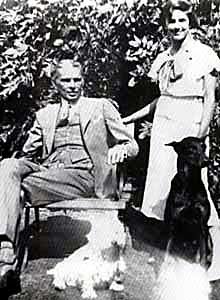
In the 1930s, before the partition of Pakistan and India, women played a central role in the Muslim League's efforts, under the leadership of Mohammed Ali Jinnah, to create a separate Muslim state. In 1944, Jinnah told a gathering at Aligarh University: No nation can rise to the heart of its glory unless your women are side by side with you. We are victims of evil customs. It is a crime against humanity that our women are shut up within four walls of the houses as prisoners. There is no sanction anywhere for the deplorable condition in which our women have to live. You should take your women along with you as comrades in every sphere of life. (65) Women galvanized popular support for the Muslim League, participated in public rallies and gatherings, and turned out in large numbers to vote in the 1945-46 elections. According to sociologist Farida Shaheed, "from 1940 to 1947 unprecedented numbers of women young and old from all classes broke the unwritten rules of conduct prescribed by purdah [seclusion of women]." (66) Women's participation was crucial in advancing the crusade by India's Muslim minority for an independent Pakistan, and they became an important symbol for the progressive forces within the All-India Muslim League advocating for a new nation. (67) REFERENCE: Double Jeopardy Police Abuse of Women in Pakistan http://www.hrw.org/legacy/reports/1992/pakistan/ Double Jeopardy Police Abuse of Women in Pakistan http://www.hrw.org/en/reports/1992/05/01/double-jeopardy
Aitzaz Ahsan Lawyers Movement Singing - Mar 3, 2009URL: http://youtu.be/q9LLwAPMdaw
The Great Debate & Kasuri (GEO TV 2007)
 LAHORE: President Supreme Court Bar Association (SCBA) Asma Jahangir has criticised the Apex Court judgment in the Deedar Hussain Shah case, saying the suggestion made in it for consultation with the Chief Justice of Pakistan (CJP) for the appointment of the National Accountability Bureau chairman amounts to legislation by the bench and the striking down of the 19th amendment to the constitution. Addressing a press conference here on Tuesday, the SCBA president said the judgment is vague since it has suggested consultation with the CJP by the executive, though it stopped short of making this a law. She appreciated the ruling of the bench suggesting consensus-oriented consultation between the leader of the House and the leader of the Opposition, saying parliament needs to put its act together so as to avoid interference from other institutions. Asma Jahangir said suggesting consultation with the CJP by the executive for the appointment of the NAB chief is highly objectionable, as it would leave no room for arbitration for the judiciary, which is the ultimate forum for justice. Furthermore she said, the SCBA would resist any such move in which the office of the CJP was asked to play a role meant solely for the executive through parliamentary consultation. REFERENCE: SCBA slams SC judgement in NAB chief case Wednesday, March 30, 2011 http://www.dailytimes.com.pk/default.asp?page=2011\03\30\story_30-3-2011_pg1_8
She said a member of the bench that had passed the verdict had shed crocodile’s tears while consoling Deedar Hussain Shah, as it had to act against a brother judge. Asma Jahangir said the judiciary of Pakistan has a long history of acting against brother judges and the way it has insinuated and conducted contempt of court proceeding against ‘brother judges’ is unprecedented in the judicial history of the country. She said the SC judgment in the Deedar Hussain Shah case is not one celebrated by the Bar and contains lacunae that need to be addressed. Talking about the six-member bench verdict for striking down the parliamentary committee recommendations on the extension in service of six superior court judges, Asma Jahangir warned that the turf war between institutions was bound to get dangerous, implying that the judiciary has acted unwisely since it has for all practical purposes struck down the 19th amendment to the constitution. She said the consensus verdict had in fact decided the matter on the 19th amendment pending before a larger bench of the Apex Court and hailed a dissenting note to this effect by Justice Tariq Pervaiz, one of the members of the same bench. Asma Jahangir said the Judicial Commission has not only rendered the recommendations of the parliamentary committee ineffective, but has also made the CJP the sole authority of elevating judges to the superior judiciary. She said the observations made by the Chief Justices of the Sindh and Lahore High Courts had been unnecessarily ignored. REFERENCE: SCBA slams SC judgement in NAB chief case Wednesday, March 30, 2011 http://www.dailytimes.com.pk/default.asp?page=2011\03\30\story_30-3-2011_pg1_8
Ali Ahmad Kurd's famous address to Supreme court bar(part 1)
LAHORE: Judges of the higher judiciary are making up their minds about cases after reading newspaper headlines and watching TV shows, former president Supreme Court Bar Association (SCBA) Ali Ahmed Kurd said on Tuesday. Describing the present situation as “justice hurry and justice worry”, Kurd deplored the fact that the judges were visiting and addressing the bars and said they would have to “prove themselves worthy of their positions”. According to Kurd, judges in the United States neither read newspapers nor watched TV programmes, but focused only on their work. – ISLAMABAD: Ali Ahmed Kurd, the firebrand leader of the lawyers’ movement and former president of the Supreme Court Bar Association, who has been keeping quiet for quite some time, surprised a lot of people on Tuesday with his blunt criticism of the way the Supreme Court was behaving. Judges should “behave like judges”, he said. Speaking during a talk show on “Challenges facing the judiciary”, he said that people had reservations about the verdict handed down by the Supreme Court on petitions challenging the National Reconciliation Ordinance.According to him, the judgment appeared to be based on newspaper headlines and talk shows of private TV channels. REFERENCE: Kurd unhappy over SC verdict on NRO By Iftikhar A. Khan Wednesday, 23 Dec, 2009 http://www.dawn.com/wps/wcm/connect/dawn-content-library/dawn/the-newspaper/national/12-kurd-unhappy-over-sc-verdict-on-nro%E2%80%93bi-09 Judges deciding cases on media lines: Kurd Daily Times Monitor Wednesday, December 23, 2009 http://dailytimes.com.pk/default.asp?page=2009\12\23\story_23-12-2009_pg7_12

’عدلیہ کی آزادی کے باوجود کچھ نہیں بدلا‘

ججز کیس کو ختم کرنےکو زیادہ اہمیت دے رہے ہوتے ہیں بجائے اس کی کہ انصاف کی فراہمی کی جائے:علی احمد کرد
سپریم کورٹ بار ایسوسی ایشن کے صدر علی احمد کُرد کا کہنا ہے کہ عدلیہ کی آزادی کے باوجود ابھی تک کچھ نہیں بدلا اور حالات اُسی طرح کے ہی ہیں جو نو مارچ سنہ دو ہزار سات سے پہلے تھے۔
علی احمد کرد نے عدالتی سال شروع ہونے کی تقریب سے خطاب کرتے ہوئے کہا کہ ایسا محسوس ہوتا ہے کہ ’فرعونوں‘ کےسامنے پیش ہو رہے ہوتے ہیں جو کیس کو ختم کرنےکو زیادہ اہمیت دے رہے ہوتے ہیں بجائے اس کے کہ انصاف کی فراہمی کی جائے۔
انہوں نے مزید کہا کہ یہی رویہ نو مارچ سنہ دوہزار سات سے قبل اعلٰی عدلیہ کے ججوں سے لےکر مقامی عدالتوں کے ججوں کا تھا۔
واضح رہے کہ سابق ملٹری ڈکٹیٹر جنرل ریٹائرڈ پرویز مشرف نے نو مارچ کو چیف جسٹس افتخار محمد چوہدری کے خلاف سپریم جوڈیشل کونسل میں ریفرنس بھیجا تھا۔
انہوں نے مزید کہا کہ یہی رویہ نو مارچ سنہ دوہزار سات سے قبل اعلٰی عدلیہ کے ججوں سے لےکر مقامی عدالتوں کے ججوں کا تھا۔
واضح رہے کہ سابق ملٹری ڈکٹیٹر جنرل ریٹائرڈ پرویز مشرف نے نو مارچ کو چیف جسٹس افتخار محمد چوہدری کے خلاف سپریم جوڈیشل کونسل میں ریفرنس بھیجا تھا۔
ماتحت عدالتوں کے فیصلوں کے خلاف ایک سو پچاس کے قریب پٹیشنز ریلیف کے لیے دائر کی جاتی ہیں جس میں سے بہت کم کو سول یا فوجداری اپیلوں میں تبدیل کردیا جاتا ہے جبکہ باقی رد کردی جاتی ہیں
علی احمد کرد
یہ پہلی مرتبہ ہے کہ ججوں کی بحالی کی تحریک کی کامیابی کے بعد وکلاء کے کسی سرکردہ رہنما نے کُھل کر ججوں کے رویے کے بارے میں تنقیدی کلمات کہے ہیں۔
علی احمد کُرد نے کہا کہ ججوں کی بحالی کے لیے شروع کی جانے والی تحریک میں نہ صرف وکلاء نے ان کا ساتھ دیا بلکہ سول سوسائٹی اور انسانی حقوق کی تنظیموں نے بھی اس میں بڑھ چڑھ کر حصہ لیا۔
انہوں نے کہا کہ اس تحریک میں وکلاء نے اپنی قیمتی جانوں کے نذرانے بھی پیش کیے۔ سپریم کورٹ بار کے صدر کا کہنا تھا کہ لوگ اُن سے یہی سوال پوچھتے ہیں کہ اس تحریک کی کامیابی کے کیا اثرات سامنے آئے ہیں۔
انہوں نے کہا کہ مشاہدے میں آیا ہے کہ وکلاء نے جو پٹیشنز دائر کی تھیں اُن میں سے بہت کم درخواستوں کو دیوانی یا فوجداری اپیلوں میں تبدیل کیاگیا ہے۔ انہوں نے کہا کہ ماتحت عدالتوں کے فیصلوں کے خلاف ایک سو پچاس کے قریب پٹیشنز ریلیف کےلیے دائر کی جاتی ہیں جس میں سے بہت کم کو سول یا فوجداری اپیلوں میں تبدیل کردیا جاتا ہے جبکہ باقی رد کردی جاتی ہیں۔
علی احمد کُرد کا کہنا تھا کہ وکلاء ذمہ دار افراد ہیں اور کوئی بھی یہ نہیں چاہے گا کہ کوئی ایسی بےمقصد پٹیشن دائر کی جائے جس سے عدالت کا قیمتی وقت ضائع ہو۔ انہوں نے کہا کہ عدالت کا یہ فرض ہے کہ وہ وکلاء کو تحمل کے ساتھ سنے۔
’عدلیہ کی آزادی کے باوجود کچھ نہیں بدلا‘
علی احمد کُرد نے کہا کہ ججوں کی بحالی کے لیے شروع کی جانے والی تحریک میں نہ صرف وکلاء نے ان کا ساتھ دیا بلکہ سول سوسائٹی اور انسانی حقوق کی تنظیموں نے بھی اس میں بڑھ چڑھ کر حصہ لیا۔
انہوں نے کہا کہ اس تحریک میں وکلاء نے اپنی قیمتی جانوں کے نذرانے بھی پیش کیے۔ سپریم کورٹ بار کے صدر کا کہنا تھا کہ لوگ اُن سے یہی سوال پوچھتے ہیں کہ اس تحریک کی کامیابی کے کیا اثرات سامنے آئے ہیں۔
انہوں نے کہا کہ مشاہدے میں آیا ہے کہ وکلاء نے جو پٹیشنز دائر کی تھیں اُن میں سے بہت کم درخواستوں کو دیوانی یا فوجداری اپیلوں میں تبدیل کیاگیا ہے۔ انہوں نے کہا کہ ماتحت عدالتوں کے فیصلوں کے خلاف ایک سو پچاس کے قریب پٹیشنز ریلیف کےلیے دائر کی جاتی ہیں جس میں سے بہت کم کو سول یا فوجداری اپیلوں میں تبدیل کردیا جاتا ہے جبکہ باقی رد کردی جاتی ہیں۔
علی احمد کُرد کا کہنا تھا کہ وکلاء ذمہ دار افراد ہیں اور کوئی بھی یہ نہیں چاہے گا کہ کوئی ایسی بےمقصد پٹیشن دائر کی جائے جس سے عدالت کا قیمتی وقت ضائع ہو۔ انہوں نے کہا کہ عدالت کا یہ فرض ہے کہ وہ وکلاء کو تحمل کے ساتھ سنے۔
’عدلیہ کی آزادی کے باوجود کچھ نہیں بدلا‘
Monday, 7 September, 2009, 12:58 GMT 17:58 PST
Ali Ahmad Kurd's famous address to Supreme court bar(part 2)
 Right after the resignation of General Musharraf from the Post of the President of Pakistan, Mr. Athar Minallah the Chief Spokesman of the then defunct Defunct Chief Justice Iftikhar Mohammad Chaudhary in Private Pakistani TV Channel [AAJ], demanded Treason Trial under article 6 of 1973 Constitutiuon of Islamic Republic of Pakistan while shamelssly forgetting that Athar Minallah, also served in the Musharraf cabinet for two years. Shouln’t Mr Athar Minallah be brought to Justice as well because abetting in a crime is tantamount to committing a crime. Athar was appointed Minister for Law, Local Government, Parliamentary Affairs and Human Rights by the Provincial Government of NWFP (2000-2002) by General Musharraf Military Regime. Athar Minallah joined the prestigious Civil Service of Pakistan (CSP) and after serving for 10 years left the post of Additional Collector Customs to join the firm as a partner. Athar Minallah brings not only rich taxation experience but also valuable scholastic input. Athar completed his law degree from the International Islamic University (Islamabad) and his LLM from University of Cambridge, UK. And his areas of interest are taxation, judicial review, Athar was appointed Minister for Law, Local Government, Parliamentary Affairs and Human Rights by the Provincial Government of NWFP (2000-2002). He also was the member of the Task Force constituted by the Federal Government for revamping the Taxation regime in Pakistan. Currently he is the member of the Policy Board of Intellectual Property of Pakistan and Chairman of Alternate Dispute Resolution Committee (ADRC) for Sales Tax constituted by the Central Board of Revenue.
Judicial Dictatorship & Lawyers - Part - 1 (GEO 22 Dec 2009)
URL: http://www.youtube.com/watch?v=kbTD-ZtDPkg
PCO JUDGES VALIDATED MARTIAL LAW OF MUSHARRAF [History as reported by Daily Dawn]
![[Musharraf-Iftikhar.jpg]](https://blogger.googleusercontent.com/img/b/R29vZ2xl/AVvXsEgFqgXi5LAEx1qJzkzn2jJQZRS_HIU8p3NsCqLVdm_NC0TKy1MVv-YA2J5QnWkZ8fF2Ohjg5C7JEUFazs6gw0XLgYYSmiV1BYn_xlprKcmwFWh1ShLcoOz9jqAd4ofoxfr6rTBdocmwi-Vw/s1600/Musharraf-Iftikhar.jpg) Chaudhry Iftikhar named new CJ [Daily Dawn 2005] By Our Staff Reporter ISLAMABAD, May 7: President Pervez Musharraf on Saturday appointed Justice Iftikhar Mohammad Chaudhry, the senior most judge of the Supreme Court, as the next chief justice. He will assume the office on June 30 after retirement of the incumbent Chief Justice, Justice Nazim Hussain Siddiqui, on June 29. “The notification has ended speculations of appointment of a junior judge as chief justice in violation of the seniority principle settled under the 1996 Judges case,” commented a senior Supreme Court lawyer on condition of anonymity. Justice Chaudhry will reach the superannuation age of 65 years in 2012, which will make him one of the longest serving chief justices in the judicial history of Pakistan. He will serve as chief justice for over seven years. Earlier Justice A. R. Cornelius and Justice Mohammad Haleem served as chief justice for eight years from 1960 to 68 and 1981 to 89, respectively. Justice Chaudhry was elevated as a judge of the apex court on February 4, 2000. He has performed as acting chief justice from January 17 to 29, 2005. He holds the degree of LLB and started practice as an advocate in 1974. Later he was enrolled as an advocate of high court in 1976 and as an advocate of Supreme Court in 1985. In 1989, Justice Chaudhry was appointed as advocate-general of Balochistan and elevated to the post of additional judge in the Balochistan High Court in 1990. He also served as banking judge, judge of Special Court for Speedy Trials and Customs Appellate Courts as well as company judge. He served as the chief justice of the Balochistan High Court from April 22, 1999 to February 4, 2000. He was elected the president of the High Court Bar Association, Quetta, and twice a member of the Bar Council. He was appointed as the chairman of the Balochistan Local Council Election Authority in 1992 and for a second term in 1998. Justice Chaudhry also worked as the chairman of the Provincial Review Board for Balochistan and was appointed twice as the chairman of the Pakistan Red Crescent Society, Balochistan. Presently he is functioning as the chairman of the Enrolment Committee of the Pakistan Bar Council and Supreme Court Buildings Committee. Reference: Caudhry Iftikhar named new CJ By Our Staff Reporter May 8, 2005 Sunday Rabi-ul-Awwal 28, 1426 http://www.dawn.com/2005/05/08/top4.htm
Chaudhry Iftikhar named new CJ [Daily Dawn 2005] By Our Staff Reporter ISLAMABAD, May 7: President Pervez Musharraf on Saturday appointed Justice Iftikhar Mohammad Chaudhry, the senior most judge of the Supreme Court, as the next chief justice. He will assume the office on June 30 after retirement of the incumbent Chief Justice, Justice Nazim Hussain Siddiqui, on June 29. “The notification has ended speculations of appointment of a junior judge as chief justice in violation of the seniority principle settled under the 1996 Judges case,” commented a senior Supreme Court lawyer on condition of anonymity. Justice Chaudhry will reach the superannuation age of 65 years in 2012, which will make him one of the longest serving chief justices in the judicial history of Pakistan. He will serve as chief justice for over seven years. Earlier Justice A. R. Cornelius and Justice Mohammad Haleem served as chief justice for eight years from 1960 to 68 and 1981 to 89, respectively. Justice Chaudhry was elevated as a judge of the apex court on February 4, 2000. He has performed as acting chief justice from January 17 to 29, 2005. He holds the degree of LLB and started practice as an advocate in 1974. Later he was enrolled as an advocate of high court in 1976 and as an advocate of Supreme Court in 1985. In 1989, Justice Chaudhry was appointed as advocate-general of Balochistan and elevated to the post of additional judge in the Balochistan High Court in 1990. He also served as banking judge, judge of Special Court for Speedy Trials and Customs Appellate Courts as well as company judge. He served as the chief justice of the Balochistan High Court from April 22, 1999 to February 4, 2000. He was elected the president of the High Court Bar Association, Quetta, and twice a member of the Bar Council. He was appointed as the chairman of the Balochistan Local Council Election Authority in 1992 and for a second term in 1998. Justice Chaudhry also worked as the chairman of the Provincial Review Board for Balochistan and was appointed twice as the chairman of the Pakistan Red Crescent Society, Balochistan. Presently he is functioning as the chairman of the Enrolment Committee of the Pakistan Bar Council and Supreme Court Buildings Committee. Reference: Caudhry Iftikhar named new CJ By Our Staff Reporter May 8, 2005 Sunday Rabi-ul-Awwal 28, 1426 http://www.dawn.com/2005/05/08/top4.htm Judicial Dictatorship & Lawyers - Part - 2 (GEO 22 Dec 2009)
URL: http://www.youtube.com/watch?v=e9Igv1kg5gU

LAHORE, June 27: The Lahore High Court summarily dismissed three writ petitions challenging the assumption of the President's office by Chief Executive Pervez Musharraf. The petitions were filed by Advocates MD Tahir, Amir Sohail and Hanif Tahir. The first-mentioned two argued at some length while the last-mentioned told Justice Khalilur Rahman Ramday, who heard the petitions, that he had reservations about him on account of his pro-government sympathies but would, instead of seeking transfer, leave the matter to his conscience. Advocate MD Tahir said frequent military interventions, prompted by politicians and invariably condoned and validated by the judiciary, have greatly damaged Pakistan in all spheres of life. Advocate Amir Sohail submitted that the Supreme Court recognized Gen Pervez Musharraf as chief executive for three years and his elevation to the office of President was repugnant to the SC judgment in Zafar Ali Shah's case. Under the judgment and the provisional constitution order validated by it the country is to be governed as nearly as possible in accordance with the provisions of the 1973 Constitution. Mr Rafiq Tarar could not have been removed except by impeachment. Justice Ramday observed that the 1973 Constitution was in existence by virtue of the PCO as amended from time to time and dismissed the three petitions. REFERENCE: LHC rejects pleas against Musharraf's presidency Staff Reporter DAWN WIRE SERVICE Week Ending : 30 June 2001 Issue : 07/26 http://www.lib.virginia.edu/area-studies/SouthAsia/SAserials/Dawn/2001/jun3001.html#lhcr
URL: http://youtu.be/S7VBbtAyPWE
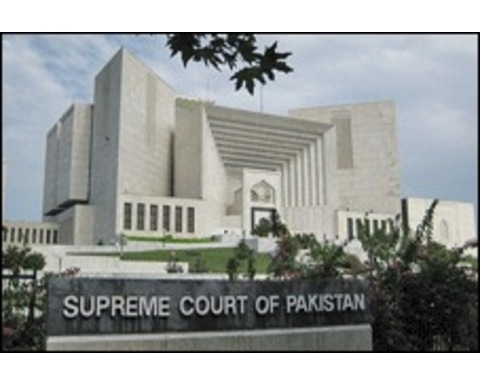
ISLAMABAD, Feb 2: The government elevated five judges to the Supreme Court on Wednesday. According to a notification, the president has appointed Justice Rashid Aziz, Chief Justice, Lahore High Court; Justice Nazim Hussain Siddiqui, Chief Justice Sindh High Court; Justice Iftikhar Mohammad Chaudhry, Chief Justice, Balochistan High Court; Qazi Farooq, former chief justice of Peshawar High Court; and Justice Rana Bhagwan Das, judge, Sindh High Court, judges of the Supreme Court. After the elevation of Justice Rashid Aziz Khan to the SC, Justice Mohammad Allah Nawaz has been appointed Chief Justice of Lahore High Court. Justice Deedar Hussain Shah has been appointed Chief Justice of Sindh High Court and Justice Javed Iqbal Chief Justice of Balochistan High Court. After these appointments, the number of SC judges has risen to 12, leaving five posts vacant. REFERENCE: Five judges elevated to SC Bureau Report DAWN WIRE SERVICE Week Ending : 5 February 2000 Issue : 06/05 http://www.lib.virginia.edu/area-studies/SouthAsia/SAserials/Dawn/2000/05feb00.html#five
Judicial Dictatorship & Lawyers - Part - 4 (GEO 22 Dec 2009)
URL: http://youtu.be/oPAn4TC1se8
ISLAMABAD, April 25: President Mohammad Rafiq Tarar on Tuesday appointed five judges to the Supreme Court of Pakistan. With the appointment of these judges, the strength of the Supreme Court judges, i.e. 17, stands completed. The newly-appointed judges include Justice Mian Mohammad Ajmal, Chief Justice, Peshawar High Court; Justice Deedar Hussain Shah, Chief Justice, High Court of Sindh; Justice Javed Iqbal, Chief Justice, High Court of Balochistan; Justice Hamid Ali Mirza, judge, High Court of Sindh and Justice Abdul Hameed Dogar, judge, High Court of Sindh. These judges have been appointed to the SC from the date they respectively take upon themselves the execution of their offices as such judges. Following are the names of the judges of the Supreme Court according to their seniority:1. Justice Irshad Hassan Khan, Chief Justice of Pakistan,
2. Justice Mohammad Bashir Jehangiri,
3. Justice Sheikh Ijaz Nisar,
4. Justice Sheikh Riaz Ahmed,
5. Justice Ch. Mohammad Arif,
6. Justice Munir A. Sheikh,
7. Justice Abdul Rehman Khan
8. Justice Rashid Aziz Khan,
9. Justice Nazim Hussain Siddiqi,
10. Justice Iftikhar Mohammad Chaudhry,
11. Justice Qazi Mohammad Farooq,
12. Justice Rana Bhagwan Das,
13. Justice Mian Mohammad Ajmal,
14. Justice Deedar Hussain Shah,
15. Justice Javed Iqbal,
16. Justice Hamid Ali Mirza,
17. Justice Abdul Hameed Dogar.-APP
REFERENCE: Supreme Court judges' strength completed DAWN WIRE SERVICE Week Ending : 29 April 2000 http://www.lib.virginia.edu/area-studies/SouthAsia/SAserials/Dawn/2000/apr29.html#supre
Judicial Dictatorship & Lawyers - Part - 5 (GEO 22 Dec 2009)
URL: http://youtu.be/C8KA5k6mAR0
Reality of Lawyers Movement in Pakistan.
"One wonders how an Incommunicado CJ was issuing statement often published in The New York Times/Washington Post and "successfully" telecast on CNN "during his days in Bastille"
URL: http://youtu.be/tkzkHS6WRSE
TAIL PIECE:
 Why do we forget that Lawyers Movement was basically a game to ease out Pakistan Army from the mess which was the creation General Pervez Musharraf and Military Establishment. CJ basically attained a lot from 2000 to 2007 [March to be precise]. I wonder how an Incommunicado CJ was issuing statement often published in The New York Times/Washington Post “during his days in Bastille” - [I still fail to understand that when CJ was sacked in March 2007, he and the press said the CJ is under house arrest and held incommunicado whereas the very next day Air Marshal [R] Asgher Khan “successfully” met him As per Daily Dawn dated March 12, 2007 Monday Safar 22, 1428

"ISLAMABAD, March 11: Chief Justice Iftikhar Mohammad Chaudhry has demanded that the Supreme Judicial Council (SJC) should hold open proceedings on the reference against him sent by President Gen Pervez Musharraf. This was stated by seasoned politician Air Marshal (retired) Asghar Khan after a meeting with Justice Chaudhry here on Sunday. The demand made by the suspended chief justice indicates that he is not ready to resign and is determined to contest the allegations levelled against him. - But one day earlier the CJ was held incommunicado - “There is no other way to describe the situation as no one is being allowed to meet him,” he said after police officials stopped him and other lawyers from going inside the chief justice’s residence. REFERENCES: Justice Iftikhar seeks open SJC proceedings: Asghar By Iftikhar A. Khan March 12, 2007 Monday Safar 22, 1428 http://www.dawn.com/2007/03/12/top1.htm CJ held incommunicado; lawyers slam ‘arrest’ By Nasir Iqbal http://www.dawn.com/2007/03/11/top1.htm

The SCBA president said the judiciary should not act like trade unions, political parties and bar councils because such acts did not suit it. — File Photo
LAHORE: Supreme Court Bar Association President Asma Jahangir criticised on Tuesday a resolution unanimously passed at a full-court reference of the Supreme Court on Monday proposing an extension in service for Justice Khalilur Rehman Ramday as an ad hoc judge for another year. Addressing a press conference, Ms Jahangir said the bar associations were showing resentment against the resolution. The SC judges had taken a political step by adopting a resolution for the appointment of ad hoc judges and the lawyers would also handle the issue politically, she added. The SCBA president said the judiciary should not act like trade unions, political parties and bar councils because such acts did not suit it. The judiciary was acting against its own decisions, she said. “The judiciary should do what it preaches.” She demanded of the government not to adopt the policy of leniency while appointing judges and said the resolution passed by a full court had no legal authority and it could not make the appointments. “But the judges should also think before taking such steps.”
میڈیا اور ججز:’رد عمل ذرا زیادہ تھا‘
آخری وقت اشاعت: جمعـء 15 اکتوبر 2010 , 15:46 GMT 20:46 PST
http://www.bbc.co.uk/urdu/multimedia/2010/10/101015_judges_asma.shtml
Ms Jahangir said she herself avoided uttering words which could hurt the feelings of the judiciary, but in this matter one of the beneficiaries (judges) also attended the full-court reference, which did not suit the judges. She said ad hoc appointment of judges could only be made in case of an emergency or shortage of judges. The appointment of a judge on an ad hoc basis would tarnish the image of the judiciary. Ms Jahangir said the bar associations would resist the decision when it came to the judicial commission for approval. She said she respected Justice Ramday very much for his one or two good decisions, but he was often found humiliating senior lawyers and litigants. She suggested that additional judges should be confirmed and the SC judges should review their resolution passed for the appointment of ad hoc judges. The resolution also proposed the appointment of Justice (retd) Rehmat Husain Jafferi as an ad hoc judge, who had reached superannuation on Nov 22 last year. REFERENCE: SCBA chief condemns proposal for Ramday’s extension By Our Staff Reporter | From the Newspaper http://www.dawn.com/2011/02/16/scba-chief-condemns-proposal-for-ramdays-extension.html
Watch in the video below, Abbas Ather reveals without naming that it was a newspaper (Jang Group’s (Geo TV’s) newspaper The News) which had first spread a false rumour about the denotification of the Supreme Court judges on 19 January 2010. Try to search that news item via Google. And lo and behold. There is actually a news story in The News on that date. But there is a small problem here. The story has been removed from The News website; most probably very recently. No plan to withdraw judges’ restoration notification – 19 Jan 2010 … ISLAMABAD: There is no plan to withdraw the notification issued on March 17, 2009 for the restoration of deposed judges, including Chief … http://www.thenews.com.pk/TodaysPrintDetail.aspx?ID=26750&Cat=13&dt=1/19/2010
column kaar - 16th oct 2010 - p1
URL: http://www.youtube.com/watch?v=eNmgi5dL7EY
KARACHI: People will soon witness a judicial dictatorship in the country if the judiciary continuously moves ahead in its present direction and then we would forget military and political dictatorships, HRCP chairperson Asma Jahangir said on Wednesday. While speaking at the Karachi Press Club, she said, “People want an impartial judiciary, and it is their right.” She said the HRCP was preparing a charter about judges’ appointments that would comprise requirements such as practice period of the person, and their proceedings of human rights’ cases and about other public interest matters. “We would not like pro-establishment judges.” Referring to a meeting between Prime Minister Yousaf Raza Gilani and Chief Justice of Pakistan Iftikhar Mohammad Chaudhry, she said the HRCP would not accept any give-and-take as an outcome of the meeting. To a query, she said neither the parliament nor the judiciary were supreme; only the people are supreme because both the institutions have to serve the masses. She criticised a section of the media and said civil society had always supported freedom of the media, but suppressing any voice in the opposition would go against the rights of the freedom of expression. The HRCP demanded the government to make public the details of detained or arrested militants during the military operation in Malakand and Swat. The HRCP chairperson said hundreds of women and children of the militants had also been detained. REFERENCE: Asma says judicial dictatorship on the cards Staff Report Thursday, February 18, 2010 http://www.dailytimes.com.pk/default.asp?page=2010\02\18\story_18-2-2010_pg7_30’عدلیہ غیر جانب دار نہیں رہی‘
آخری وقت اشاعت: جمعـء, 19 فروری, 2010, 05:58 GMT 10:58 PST
’عدلیہ دائرہ کار سے تجاوز کر گئی ہے‘
علی سلمان
بی بی سی اردو ڈاٹ کام، لاہور
عدلیہ کا کام ارکانِ پارلیمان کی اخلاقیات کی جانچ پڑتال نہیں
آخری وقت اشاعت: ہفتہ, 19 دسمبر, 2009, 05:25 GMT 10:25 PST
http://www.bbc.co.uk/urdu/pakistan/2009/12/091219_hrcp_asma_as.shtml
PAKISTAN: International Commission of Jurists http://www.icj.org/IMG/pdf/pakistan.pdf The independence of the judiciary was largely undermined by the order by General Musharraf in January 2000 that Pakistani judges take a fresh oath of loyalty to his administration. In May 2000, the Supreme Court, reconstituted after the dismissal of six judges who refused the oath, upheld General Musharraf’s military coup of 1999, under the doctrine of state necessity. Pakistan is a constitutional republic. On 15 October 1999, the Government promulgated the Provisional Constitution Order, (PCO), No.1 of 1999, overriding the 1973 Constitution of the Islamic Republic of Pakistan, previously suspended following the 12 October 1999 military coup led by General Pervez Musharraf. The PCO provided for the suspension of the National Assembly, the Provincial Assemblies and the Senate and mandated General Musharraf to serve as the new Chief Executive. On 20 June 2001, General Musharraf became President of Pakistan after dismissing the incumbent President, Muhammad Rafiq Tarar. On 12 May 2000, the Supreme Court validated the October 1999 coup under the doctrine of state necessity. However, the Court ordered that the Government hold national and provincial elections by 12 October 2002. In response, President Musharraf presented a four-phase programme aimed at returning the country to democratic rule, with local elections to be held from December 2000 until August 2001. Subsequently, a series of local elections were held in December 2000, March 2001, May 2001 and July-August 2001. However, political parties were prohibited from participating in the contests and party leaders were disqualified from holding political office.Capital Talk (15th June 07) Part - 1
PAKISTAN’S chief justice, Iftikhar Muhammad Chaudhry , is riding high. At a time when most of the country’s political leaders are despised as venal, lazy or inept, its senior jurist is held in esteem. People tell pollsters they trust him more than anyone. They cheer his efforts to take on the corrupt and hapless president, Asif Ali Zardari. Yet Mr Chaudhry may be crossing a line from activist judge to political usurper. His judges pass up no chance to swipe at the government. Mr Chaudhry spent months trying to get Swiss officials to reopen a corruption case that could have toppled Mr Zardari (in Pakistan, criminal proceedings against a sitting president are prohibited). After that failed, the courts took up a thin-looking case in which the president is accused of unconstitutionally holding an office for profit. That looks vindictive: the office in question is his post as head of the ruling Pakistan People’s Party. The courts quickly adopt populist causes, especially those that squeeze Mr Zardari. After an American diplomat shot dead two men in the street in Lahore last month, the mother of one victim appealed for justice on television, saying that she would trust only Mr Chaudhry to help. The High Court in Lahore promptly ordered that the diplomat, who had been arrested, must not be allowed out of the country—even if the government were to rule that he had immunity. In this case, as in many others, the judges have shown themselves to be able self-publicists. Their stance has won approving coverage. And on the country’s illiberal but widely popular blasphemy law, the Lahore High Court intervened to forbid the president from issuing an early pardon to anyone convicted by lower courts. Before the murder last month of Salman Taseer, the governor of Punjab and critic of the blasphemy law, Mr Zardari had told him he was planning such a pardon. The courts seem set on boxing him in.Capital Talk (15th June 07) Part - 2
Perhaps the most striking evidence of judicial activism is in economic policy. In a speech in India on February 6th Mr Chaudhry lashed out at the IMF and other international bodies for imposing what he said were hypocritical policies on poor countries. That seemed intended to play well at home, just as the IMF and the government are trying to increase the tax take (only 2% of Pakistanis pay tax) and cut subsidies—unpalatable but needed medicine. Judicial figures have meddled egregiously in economic affairs before. The courts have tried to fix the price of staple commodities such as petrol and sugar, to public cheers. But in 2009 attempts predictably missed their mark as producers hoarded stocks and the black-market price soared. It is not the court’s job, says Hasan Askari Rizvi, a commentator, to enter the executive’s domain. The judiciary’s various efforts suggest that Mr Chaudhry is as keen as any politician to curry public favour. He likes to talk up his part in pushing out the old military regime of General Pervez Musharraf, now in exile in London. (This week the general was named as an accused by investigators looking into the 2007 murder of Benazir Bhutto.) Yet for all the judge’s talk of his “commitment to the core values of democracy”, he first accepted his post from General Musharraf in 2005, some six years after democracy was overthrown.
Adaptability is matched by appreciably greater clout. In January the 19th amendment to the constitution was signed into law, giving judges a freer hand in making judicial appointments, at the expense of politicians. An independent judiciary is welcome, says Samina Ahmed of the International Crisis Group, yet it is striking how hard the judges fought to reject any elected oversight. Now Mr Chaudhry is out to settle scores with nine senior judges accused of contempt of court for accepting jobs late in Mr Musharraf’s rule. On one interpretation, all this may add up to nothing too sinister. A degree of judicial activism is needed if Mr Zardari’s government is not to enjoy an easy ride. The opposition pulls its punches, despite the government’s wretched failure in coping with huge floods last year, and its lack of progress in tackling widespread graft, reviving the economy or putting down extremist violence. Nawaz Sharif, the main opposition leader, seems not to want to bring down a civilian government before elections are due. Perhaps he does not want to rule yet, given Pakistan’s mess. Or perhaps he fears giving the army an excuse to meddle openly in politics yet again.
Capital Talk (15th June 07) Part - 3
Capital Talk (15th June 07) Part - 4
Another, and more troubling, interpretation is also plausible. Maybe, some observers say, the judges are getting too big for their wigs precisely because they have army support. Mr Chaudhry, witting or not, may be helping to create the conditions in which the men in uniform step in again one day. The example Pakistanis cite in private is Bangladesh’s stealthy coup in January 2007. At that time the army, fronted by technocrats, pushed aside corrupt party politicians and scrapped elections, with the tacit support of donors. Ahmed Rashid, a Pakistani author, notes “extraordinary co-operation” between the judges and the army in recent years in Pakistan. He points out how rarely judges pursue cases of human-rights violations by soldiers, whereas cases that hurt the government fly into the courts. The army chief, General Ashfaq Kayani, a more introverted figure than his predecessor, does not seem to want to take power right now. But a further collapse of order in Pakistan, which is increasingly described as a failing state, might encourage the soldiers to act. Mr Chaudhry should take care that he does not become their fall guy. REFERENCE: An overactive judiciary might undermine a fragile democracy – Pakistan’s populist judges Feb 10th 2011 | ISLAMABAD | from PRINT EDITION http://www.economist.com/node/18114729?fsrc=scn%2Ffb%2Fwl%2Far%2Fcourtingtrouble
When U.S. President Barack Obama sharply challenged a recent Supreme Court decision in his State of the Union address, prompting a soto voce rejoinder from Justice Samuel Alito, nobody was concerned that the contretemps would spark a blood feud between the judiciary and the executive. The notion that judges could or would work to undermine a sitting U.S. president is fundamentally alien to America’s constitutional system and political culture. Unfortunately, this is not the case in Pakistan.Supreme Court Chief Justice Iftikhar Mohammed Chaudhry, the country’s erstwhile hero, is the leading culprit in an unfolding constitutional drama. It was Mr. Chaudhry’s dismissal by then-President Pervez Musharraf in 2007 that triggered street protests by lawyers and judges under the twin banners of democracy and judicial independence. This effort eventually led to Mr. Musharraf’s resignation in 2008. Yet it is now Mr. Chaudhry himself who is violating those principles, having evidently embarked on a campaign to undermine and perhaps even oust President Asif Ali Zardari.Capital Talk (15th June 07) Part - 5
Any involvement in politics by a sitting judge, not to mention a chief justice, is utterly inconsistent with an independent judiciary’s proper role. What is even worse, Chief Justice Chaudhry has been using the court to advance his anti-Zardari campaign. Two recent court actions are emblematic of this effort. The first is a decision by the Supreme Court, announced and effective last December, to overturn the “National Reconciliation Ordinance.” The NRO, which was decreed in October 2007, granted amnesty to more than 8,000 members from all political parties who had been accused of corruption in the media and some of whom had pending indictments. While some of these people are probably corrupt, many are not and, in any case, politically inspired prosecutions have long been a bane of Pakistan’s democracy. The decree is similar to actions taken by many other fledgling democracies, such as post-apartheid South Africa, to promote national reconciliation. It was negotiated with the assistance of the United States and was a key element in Pakistan’s transition from a military dictatorship to democracy. Chief Justice Chaudhry’s decision to overturn the NRO, opening the door to prosecute President Zardari and all members of his cabinet, was bad enough. But the way he did it was even worse. Much to the dismay of many of the brave lawyers who took to the streets to defend the court’s integrity last year, Mr. Chaudhry’s anti-NRO opinion also blessed a highly troubling article of Pakistan’s Constitution—Article 62. This Article, written in 1985, declared that members of parliament are disqualified from serving if they are not of “good character,” if they violate “Islamic injunctions,” do not practice “teachings and practices, obligatory duties prescribed by Islam,” and if they are not “sagacious, righteous and non-profligate.” For non-Muslims, the Article requires that they have “a good moral reputation.”
Putting aside the fact that Article 62 was promulgated by Pakistan’s then ruling military dictator, General Zia ul-Haq, relying on religion-based standards as “Islamic injunctions” or inherently subjective criteria as “good moral reputation” thrusts thePakistani Supreme Court into an essentially religious domain, not unlike Iranian Sharia-based courts. This behavior is profoundly ill-suited for any secular court. While Article 62 was not formally repealed, it was discredited and in effect, a dead letter. The fact that the petitioner in the NRO case sought only to challenge the decree based on the nondiscrimination clause of the Pakistani Constitution and did not mention Article 62 makes the court’s invocation of it even more repugnant. Meanwhile, the decision’s lengthy recitations of religious literature and poetry, rather than reliance on legal precedent, further pulls the judiciary from its proper constitutional moorings. The second anti-Zardari effort occurred just a few days ago, when the court blocked a slate of the president’s judicial appointments. The court’s three-Justice panel justified the move by alleging the president failed to “consult” with Mr. Chaudhry. This constitutional excuse has never been used before. It is well-known in Islamabad that Mr. Zardari’s real sin was political, as he dared to appoint people unacceptable to the chief justice. Since consultation is not approval, Mr. Chaudhry’s position appears to be legally untenable. Yet Mr. Zardari, faced with demonstrations and media attacks, let Mr. Chaudhry choose a Supreme Court justice.
There is no doubt that the chief justice is more popular these days than the president, who has been weakened by the split in the political coalition which brought down Mr. Musharraf. Former Prime Minister Nawaz Sharif is now a leading opponent of the regime. There is a strong sense among the Pakistani elites that Justice Chaudhry has become Mr. Sharif’s key ally. The fact that Mr. Chaudhry was a victim of an improper effort by former President Musharraf to replace him with a more pliant judge makes his current posture all the more deplorable. His conduct has led some of his erstwhile allies to criticize him and speak of the danger to democracy posted by judicial meddling in politics. The stakes are stark indeed. If Mr. Chaudhry succeeds in ousting Mr. Zardari, Pakistan’s fledgling democracy would be undermined and the judiciary’s own legitimacy would be irrevocably damaged. Rule by unaccountable judges is no better than rule by the generals. REFERENCE: Judicial Coup in Pakistan – Once a democratic champion, the Chief Justice now undermines the elected government. by DAVID B. RIVKIN JR. AND LEE A. CASEY FEBRUARY 23, 2010, 7:51 P.M. ET http://online.wsj.com/article/SB10001424052748704057604575080593268166402.html Messrs. Rivkin and Casey, Washington, D.C.-based attorneys, served in the Department of Justice during the Ronald Reagan andGeorge H.W. Bush administrations.


